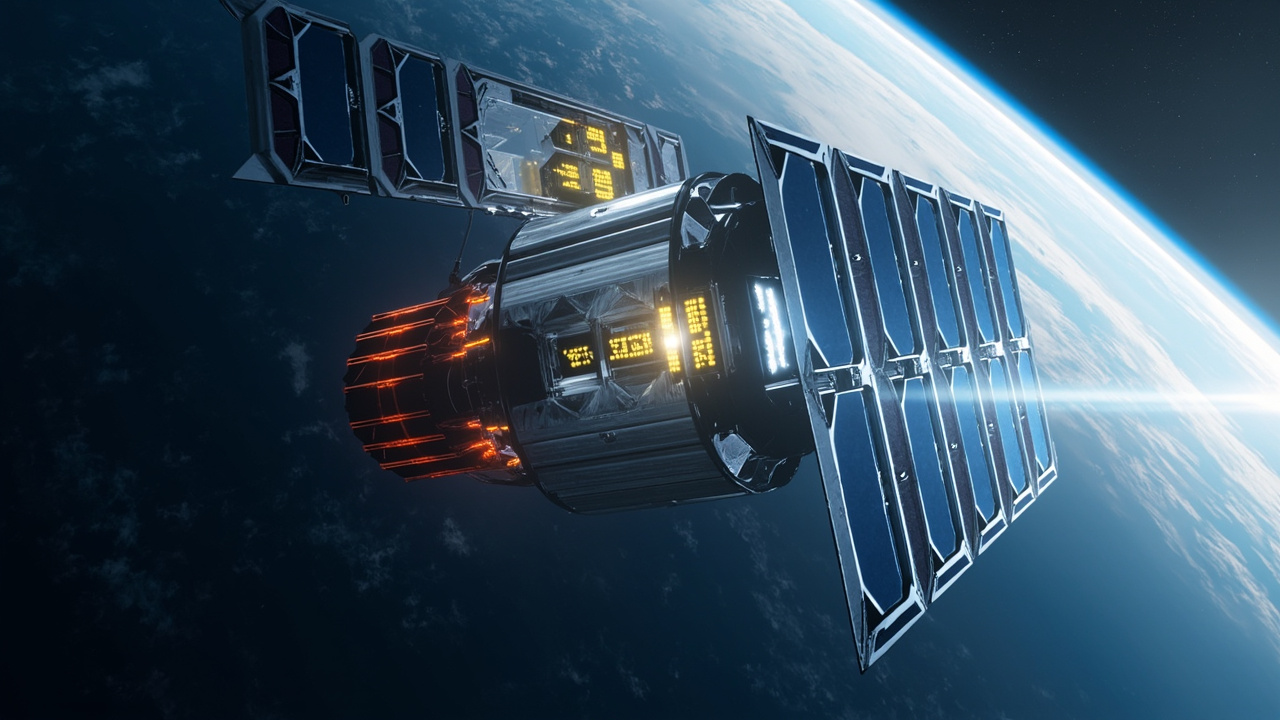
Pinal AI Turns Plain Language Into Working Proteins
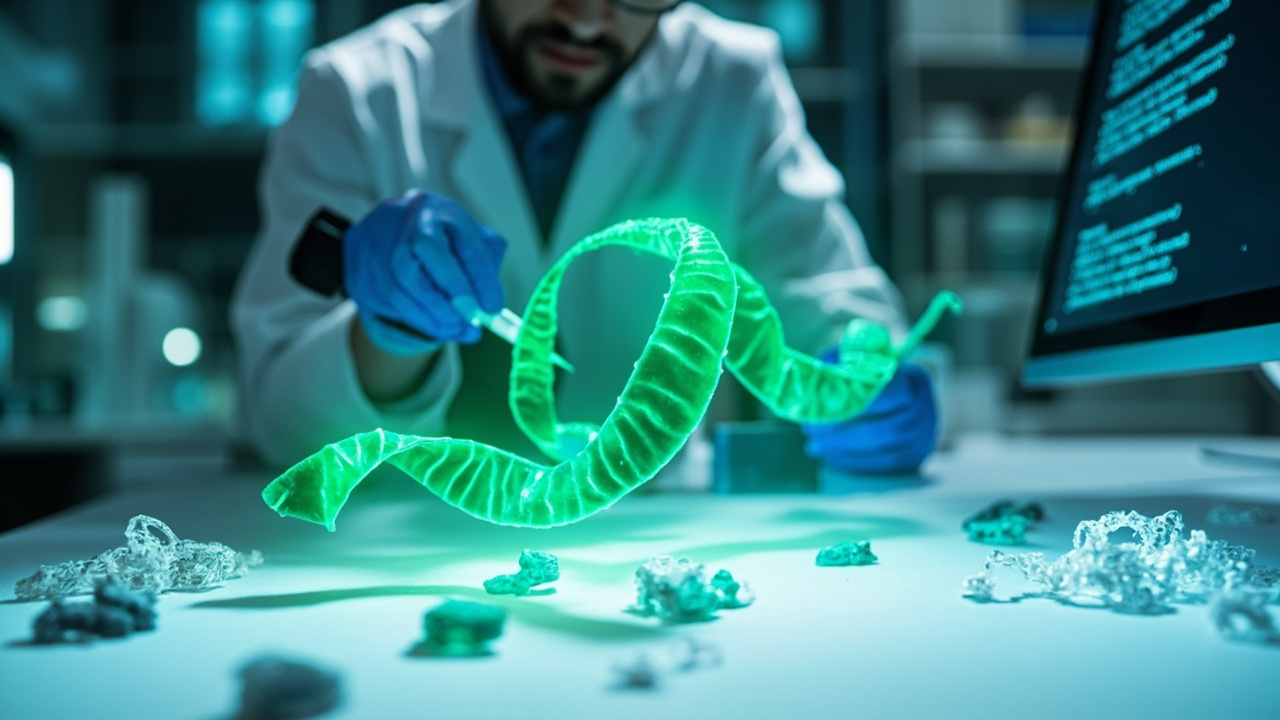
Pinal, a 16-billion-parameter model reported Oct. 21 in Nature, turns plain-language functions into testable proteins and passed all four lab tests.
Daily United States science and technology news intelligence
Pinal, a 16-billion-parameter model reported Oct. 21 in Nature, turns plain-language functions into testable proteins and passed all four lab tests.
High-speed video reveals honeybee stingers pump venom with collapsible double pistons after detaching from the bee.
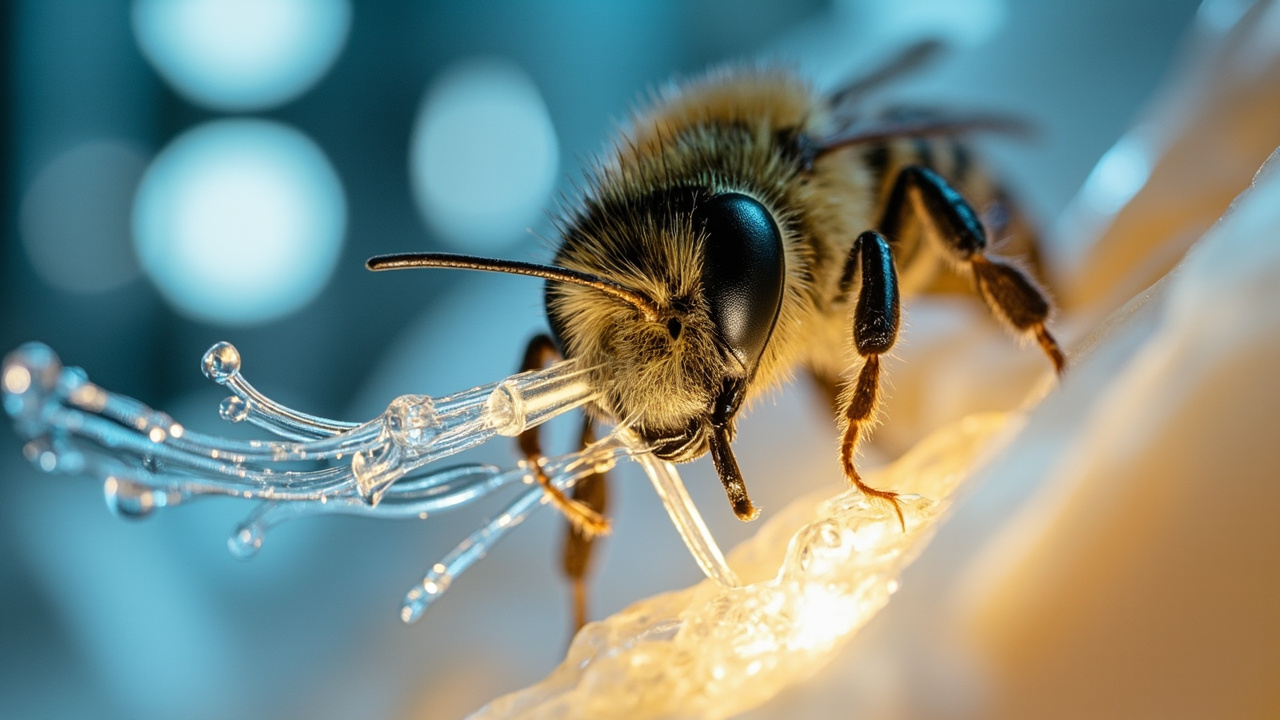
UPS, GOFO and Bpost cases from Oct. 7-10, 2026 show RFID and AI moving final-mile delivery from reactive scans to predictive operations.

DOE's Oct. 8 Genesis Mission round funds a SLAC-Caltech-Berkeley test of AI that picks catalyst experiments at SSRL to speed liquid-fuel research.
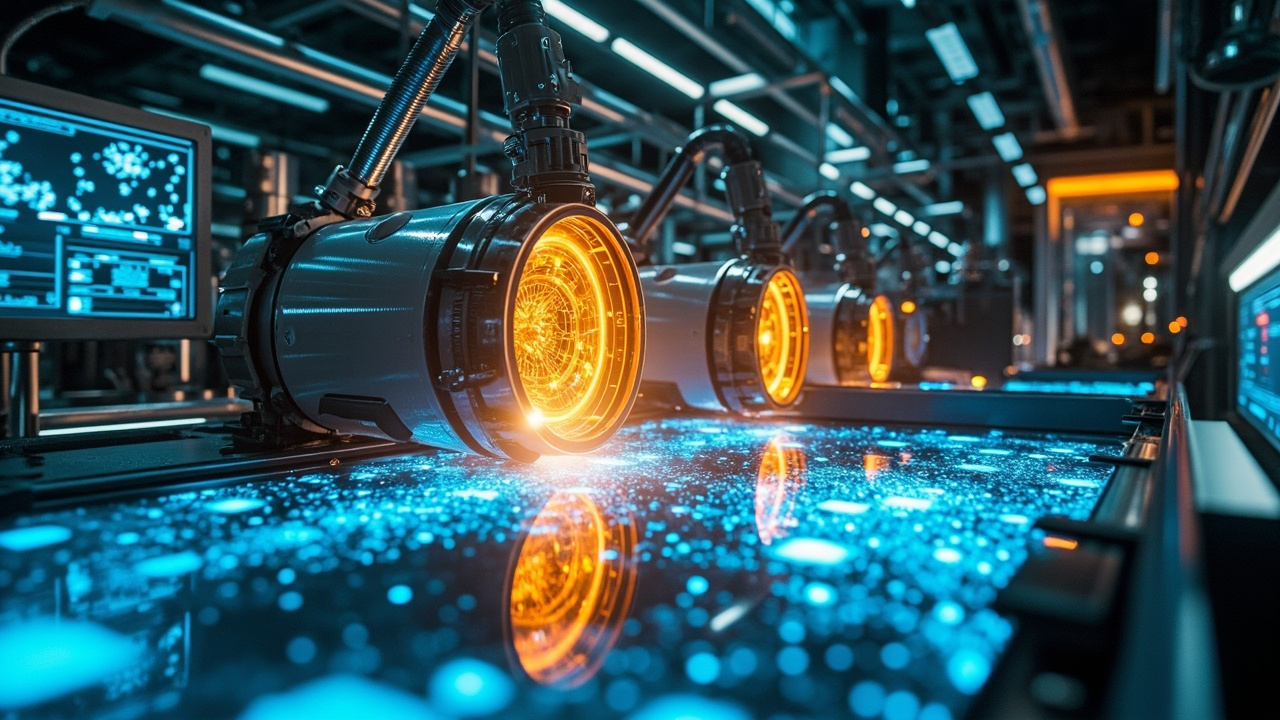
NASA calls ESA-led LISA a model partnership: three spacecraft, lasers spanning 1.6M miles, and full U.S. science access for about a third of the cost.

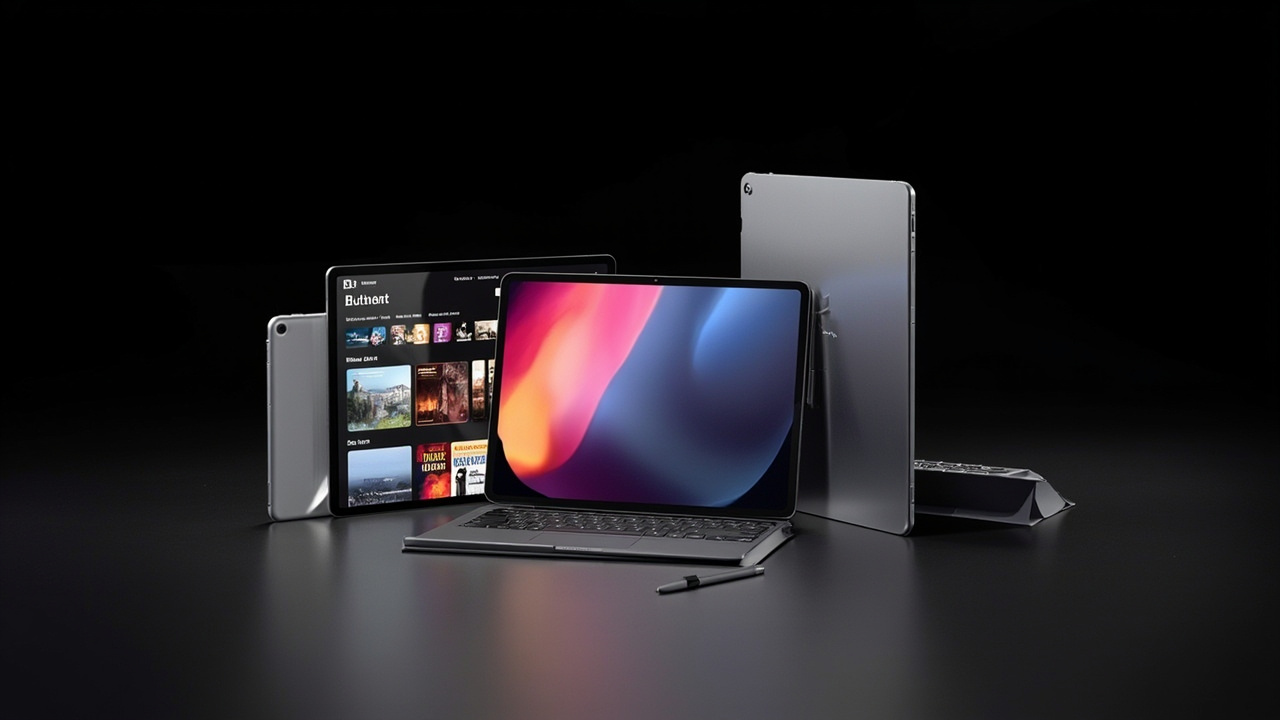
Amazon launched three Alexa Tablets on Oct. 8, 2026, ending Fire tablets, adding full Android and Google Play, with shipments starting Oct. 14.
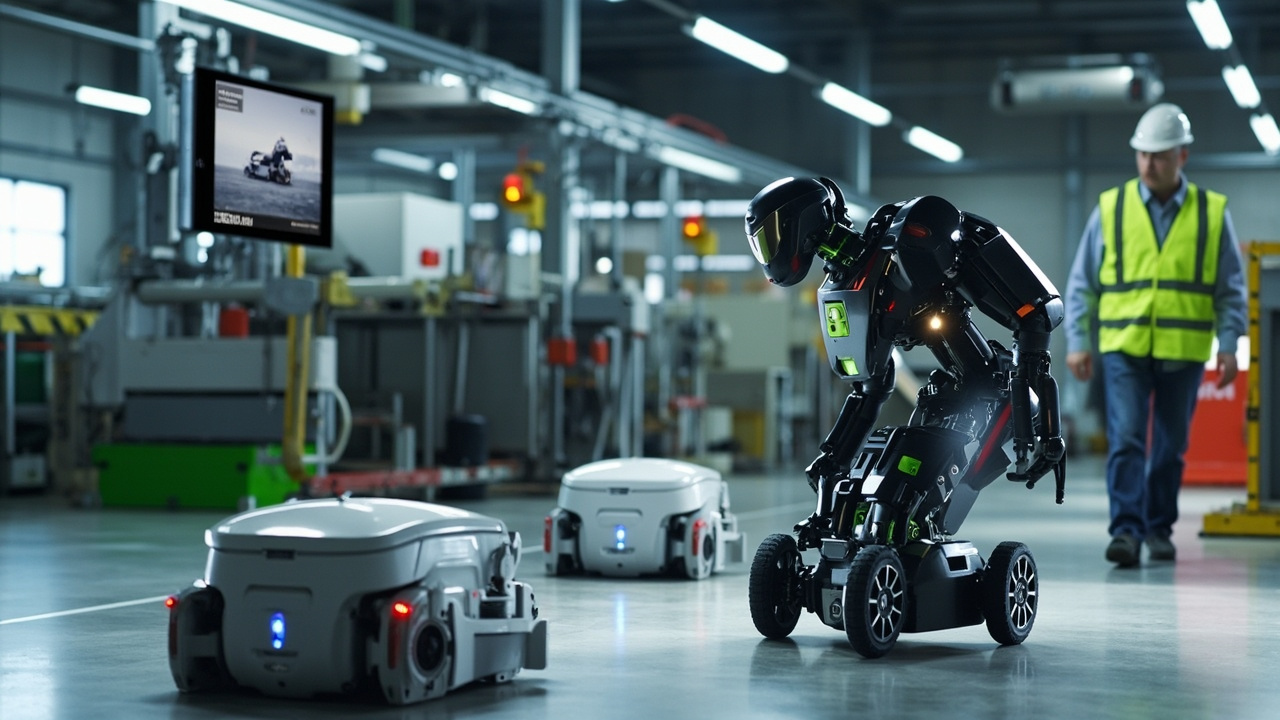
Nvidia's Halos safety platform extends from robotaxis to humanoid robots, with Digit 5 and Boston Dynamics as early test cases.
ACS Catalysis review published Oct. 7 maps ML across enzyme discovery, structure prediction, engineering and design, with nitrilase and protein-model studies showing gains and limits.
NYU and UW researchers reported shotgun genetic engineering on Oct. 6, 2026, screening millions of barcoded designs to enable valine- and isoleucine-free growth.
Three scientists won the 2026 Nobel Prize in Medicine on Oct. 5 for optogenetics, a blue-light method for switching brain cells on and off.
Texas A&M's AgentDiscover lets a coding agent plan search via queryable memory, cutting kernel cycles 12.6% at matched $100 spend.
Caltech, Google DeepMind and Pittsburgh report a combined design-evolution route to de novo haemoproteins for selective C-H amination to chiral piperidines.
Ars Technica's September roundup spotlights a dark-matter hint, Z-boson entanglement, Mars yeast bricks, ancient betel use and a Galileo telescope note.
Emory researchers reported Oct. 1, 2026 that REFinder found 1.2-2.1x more enzymes at up to 6.4x lower compute across 50 microbiomes.
EurekaBench tests AI agents across 26 science tasks and finds strong prediction but weak explanation, with insight scores far below the human reference.
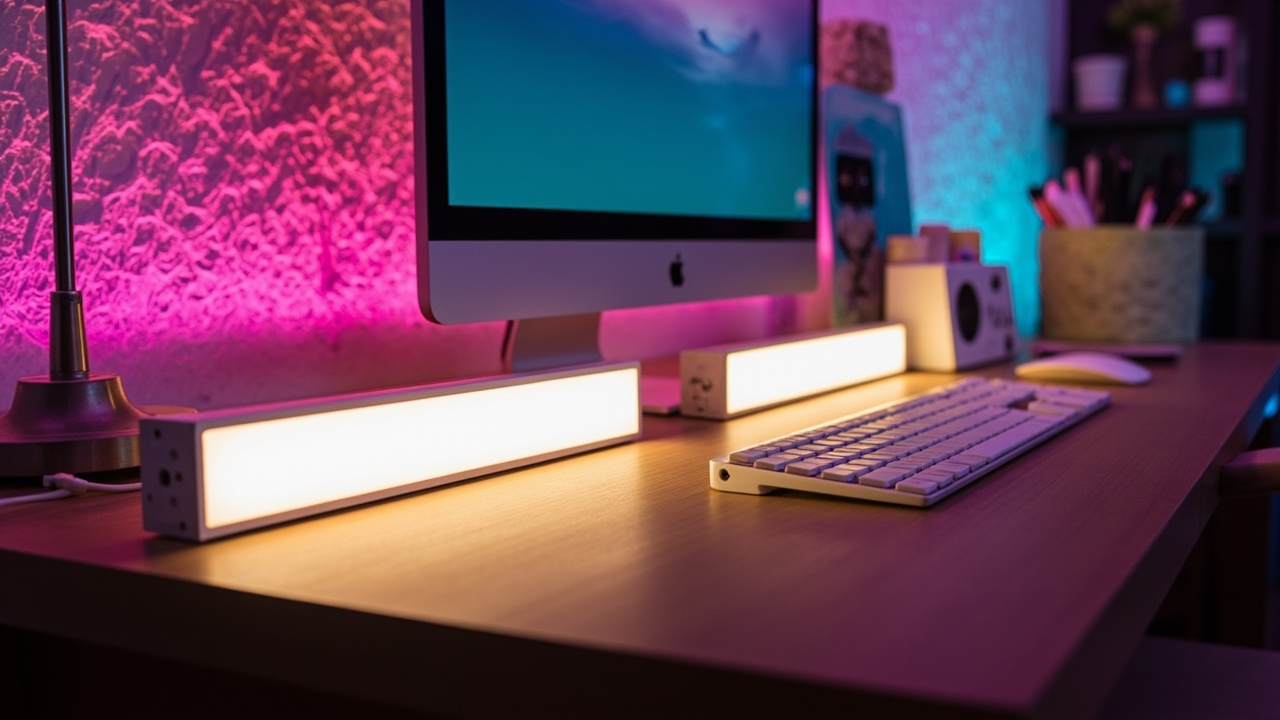
SwitchBot's $45.99 RGBICWW Light Bars add Matter over Wi-Fi, 12 color zones and AI status cues.
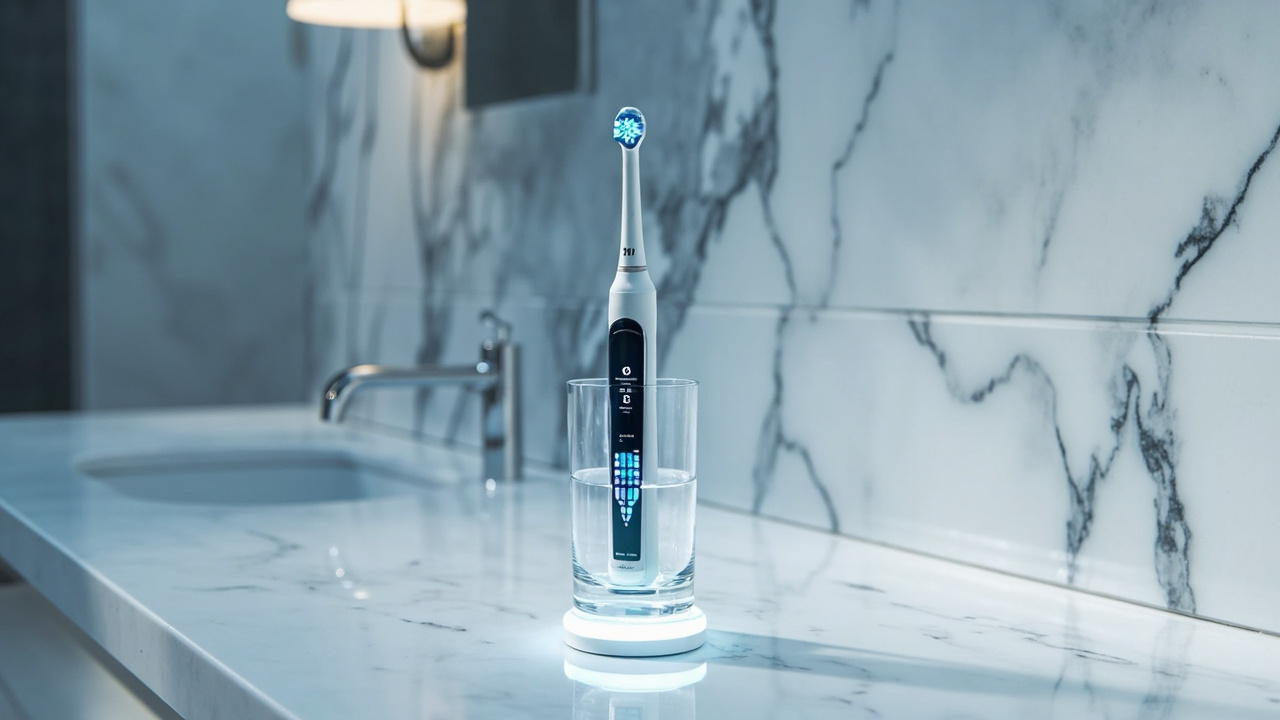
Philips’ $379.99 Sonicare Next-Gen DiamondClean 9900 Prestige adds a touchscreen, 12-zone mouth map and pressure-sensing AI now on sale in the U.S.
Beats 360 hit stores, Sonos set September 29 for Ace Ultra and Beam Ultra, and Meta detailed new Ray-Ban audio and camera glasses plus Spring 2027 VR glasses.
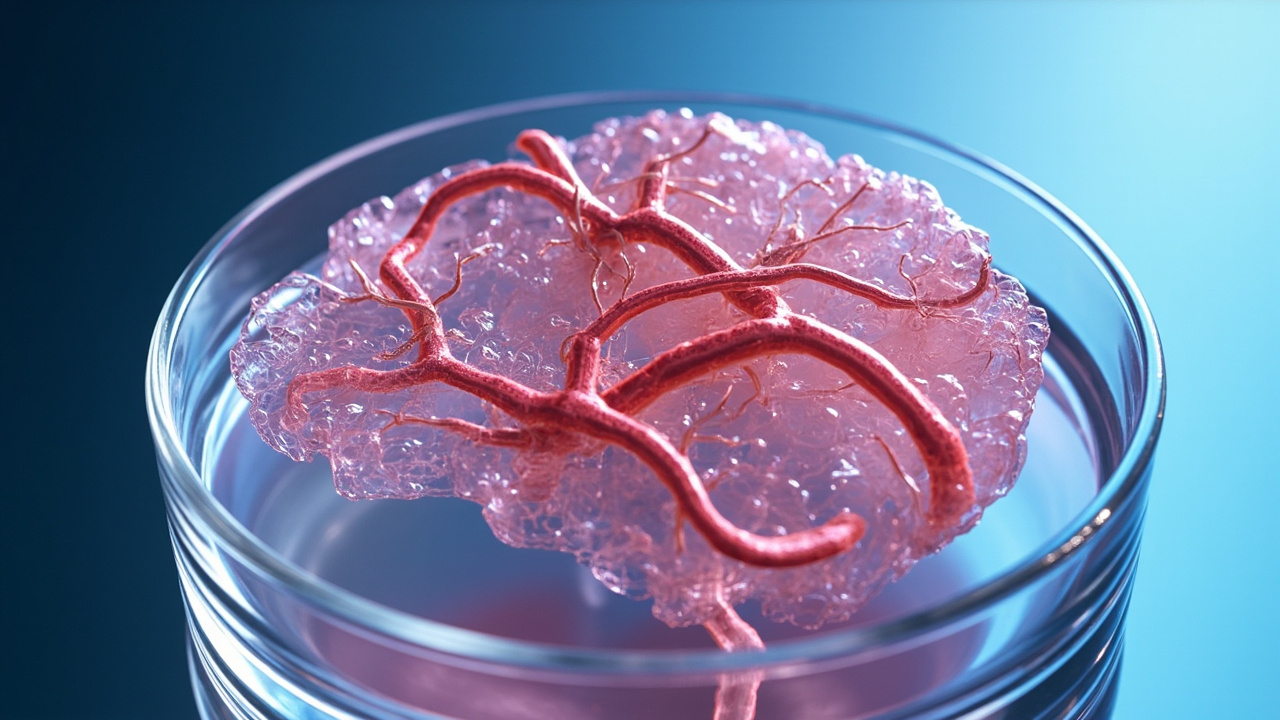
Mount Sinai studies published Sept. 24 show APOE4 converts pericytes to scar cells and impairs astrocyte clearance; TGF-β blockade reversed vessel damage in models.
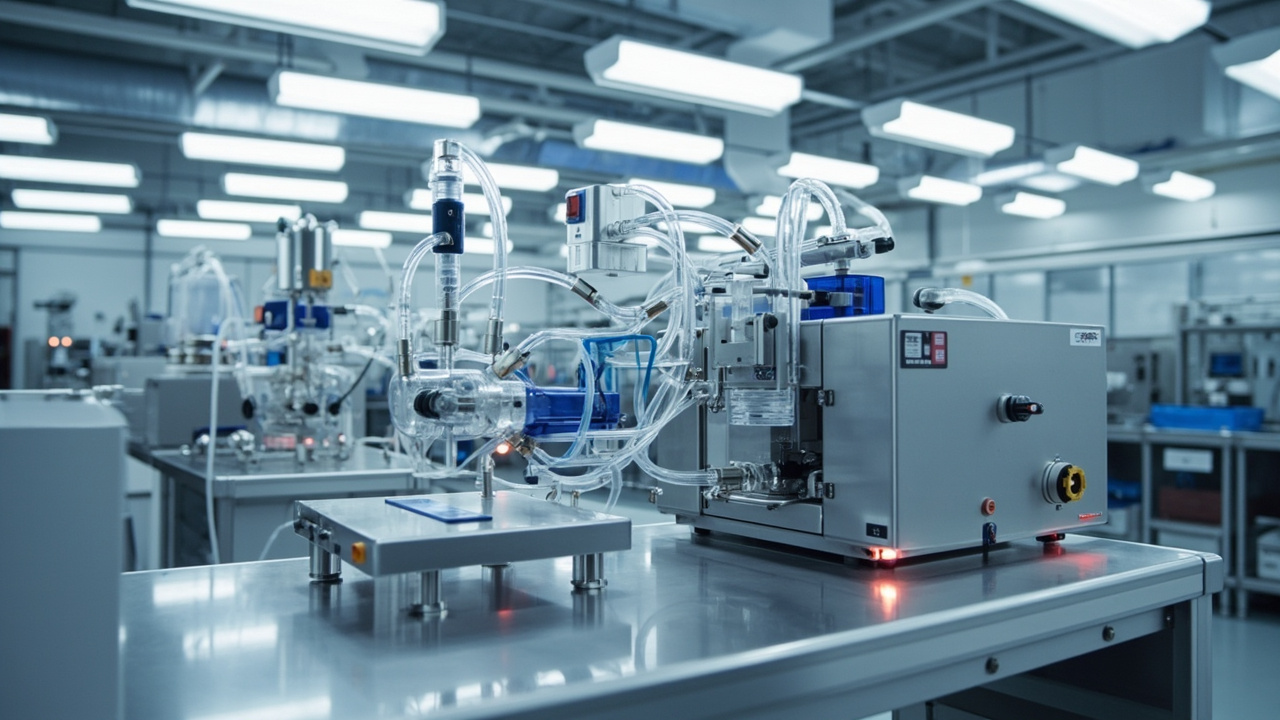
MIT reported September 25, 2026 an autonomous pilot-scale platform that makes loaded lipid nanoparticles at a requested size.
Google confirms its first Project Suncatcher orbital test will fly four TPUs on SpaceX Transporter-18 on Oct. 1 with Planet Labs.